Test-ID ändern

Test-ID ändern
Test-ID ändern
Test-ID ändern
Loading...

Lassen Sie uns anfangen!

Überspringen
Ihr Ergebnis lautet:
Ihr


Wir haben mehr Informationen, die wir Ihnen zeigen möchten…
Überspringen
Sind Sie sicher?
Schritt 1 von 5
Aus welchem Land kommen Sie?
Auswählen

Afghanistan
Ägypten
Albanien
Algerien
Amerikanisch-Samoa
Andorra
Angola
Anguilla
Antarktis
Antigua und Barbuda
Äquatorialguinea
Argentinien
Armenien
Aruba
Aserbaidschan
Äthiopien
Australien
Bahamas
Bahrain
Bangladesch
Barbados
Belgien
Belize
Benin
Bermuda
Bhutan
Bolivien
Bosnien und Herzegowina
Botswana
Brasilien
Brunei Darussalam
Bulgarien
Burkina Faso
Burundi
Chile
China
Cookinseln
Costa Rica
Curaçao
Dänemark
Deutschland
Dominica
Dominikanische Republik
Dschibuti
Ecuador
El Salvador
Eritrea
Estland
Falklandinseln (Malvinen)
Färöer
Fidschi
Finnland
Frankreich
Französisch-Polynesien
Gabun
Gambia
Georgien
Ghana
Gibraltar
Grenada
Griechenland
Grönland
Guam
Guatemala
Guinea
Guinea-Bissau
Guyana
Haiti
Honduras
Hongkong
Indien
Indonesien
Irak
Iran, Islamische Republik
Irland
Island
Isle of Man
Israel
Italien
Ivory Coast
Jamaika
Japan
Jemen
Jordanien
Jungferninseln, Amerikanisch
Jungferninseln, Britisch
Kaimaninseln
Kambodscha
Kamerun
Kanada
Kap Verde
Kasachstan
Katar
Kenia
Kirgisistan
Kiribati
Kokosinseln (Keeling)
Kolumbien
Komoren
Kongo
Kongo, Demokratische Republik
Kosovo
Kroatien
Kuba
Kuwait
Lesotho
Lettland
Libanon
Liberia
Libyen
Liechtenstein
Litauen
Luxemburg
Macau
Madagaskar
Malawi
Malaysia
Malediven
Mali
Malta
Marokko
Marshallinseln
Mauretanien
Mauritius
Mayotte
Mazedonien, die ehemalige jugoslawische Republik
Mexiko
Mikronesien, Föderierte Staaten
Moldawien (Republik Moldau)
Monaco
Mongolei
Montenegro
Montserrat
Mosambik
Myanmar
Namibia
Nauru
Nepal
Neukaledonien
Neuseeland
Nicaragua
Niederlande
Niederländischen Antillen
Niger
Nigeria
Niue
Nördliche Marianen
Norwegen
Oman
Österreich
Osttimor
Pakistan
Palau
Panama
Papua Neu-Guinea
Paraguay
Peru
Philippinen
Pitcairn
Polen
Portugal
Puerto Rico
Ruanda
Rumänien
Russland
Salomonen
Sambia
Samoa
San Marino
São Tomé und Príncipe
Saudi-Arabien
Schweden
Schweiz
Senegal
Serbien
Seychellen
Sierra Leone
Simbabwe
Singapur
Slowakei
Slowenien
Somalia
Spanien
Sri Lanka
St. Helena
St. Kitts und Nevis
St. Lucia
St. Pierre und Miquelon
St. Vincent und die Grenadinen
Südafrika
Sudan
Südkorea
Suriname
Swasiland
Syrien, Arabische Republik
Tadschikistan
Taiwan
Tansania, Vereinigte Republik
Thailand
Togo
Tokelau
Tonga
Trinidad und Tobago
Tschad
Tschechische Republik
Tunesien
Türkei
Turkmenistan
Turks- und Caicosinseln
Tuvalu
Uganda
Ukraine
Ungarn
Uruguay
USA
Usbekistan
Vanuatu
Vatikanstadt
Venezuela
Vereinigte Arabische Emirate
Vereinigtes Königreich
Vietnam
Wallis und Futuna
Weihnachtsinsel
Weißrussland
Zentralafrikanische Republik
Zypern
Zurück
Weiter 
Schritt 2 von 5
Bitte geben Sie Alter, Körpergewicht & Körpergröße ein
 Beachten Sie bitte, dass Ihre korrekte Altersangabe wichtig für die Richtigkeit der Ergebnisse ist. Für Kinder gibt es andere Referenzwerte als für Erwachsene.Zurück
Weiter
Schritt 3 von 5
Bitte wählen Sie Ihr Geschlecht
Weiblich
Männlich
Sonstiges
Zurück
Weiter
Schritt 3 a von 7
Are you currently pregnant or exclusively breastfeeding?
No
Yes, pregnant
Yes, exclusively breastfeeding
Prefer not to say
 Zurück
Weiter 
Schritt 3 b von 7
What month of pregnancy are you in?
1-3 months
4-6 months
7-9 months
Zurück
Weiter
Schritt 4 von 5
Haben Sie vor Kurzem Omega-3-Nahrungsergänzungsmittel eingenommen?
Nein
Ja, für eine kurze Zeit
Ja, für mehr als 120 Tage
Zurück
Weiter
Schritt 5 von 7
Welche Option beschreibt Ihre Ernährung am besten?
Zurück
Weiter
Schritt 6 von 8
Join Our Groundbreaking Test-Based Nutrition Study!
Yes, I consent
No, I do not consent
Zurück
Weiter
Schritt 5a von 8
Thank you for your interest and for playing a vital role in advancing nutrition research!
Have you been taking Xtend or Xtend+, according to the recommended dose (at least 2 tablets per day), for at least the past 2 weeks?
Yes
No
Zurück
Weiter
Schritt 5b von 8
Have you been taking Zinobiotic+ according to the recommended dosage (2 scoops per day) for at least the past 2 weeks?
Yes
No
Zurück
Weiter
Schritt 5C von 8
How would you describe your BalanceOil+ consumption over the past 120 days?
I take the recommended amount (0.15 ml per kg of body weight) or more, 5-7 days a week
I take less than the recommended amount, or take it less frequently than 5 days a week
I don’t take BalanceOil+
Zurück
Weiter
Schritt 5D von 8
Over the next 30 days, do you plan to maintain the same consumption pattern for your Zinzino Health Protocol products as you reported above? (For example, if you currently do not use a product, select 'Yes' if you plan to continue not using it.)"
Yes, I will continue as reported.
No, I plan to change my current pattern.
Unsure
Zurück
Weiter
Schritt 5E von 8
Have you taken antibiotics in the past month?
Yes
No
Zurück
Weiter
Schritt 5F von 8
Have you taken laxatives in the past month?
Yes
No
Zurück
Weiter
Schritt 5G von 8
Please provide your email and address below so we can contact you and send out test-kits if you are selected for the study.
Zurück
Weiter
Schritt 5 von 5
Wir schützen Ihre Privatsphäre
Schritt 4b von 5
Welche Art von Omega-3-Nahrungsergänzungsmittel?
BalanceOil
Essent (Softgel Kapseln)
BalanceOil Vegan
BalanceOil AquaX
Andere Omega-3-Nahrungsergänzungsmittel
Zurück
Weiter
Lassen Sie uns anfangen!
Überspringen
 Überhaupt nicht! Falls Sie diese Fragen nicht beantworten möchten, bevor Sie Ihr Ergebnis sehen, können Sie diesen Schritt überspringen.
Sind Sie sicher?
Schritt 1 von 6
Aus welchem Land kommen Sie?
Auswählen

Afghanistan
Ägypten
Albanien
Algerien
Amerikanisch-Samoa
Andorra
Angola
Anguilla
Antarktis
Antigua und Barbuda
Äquatorialguinea
Argentinien
Armenien
Aruba
Aserbaidschan
Äthiopien
Australien
Bahamas
Bahrain
Bangladesch
Barbados
Belgien
Belize
Benin
Bermuda
Bhutan
Bolivien
Bosnien und Herzegowina
Botswana
Brasilien
Brunei Darussalam
Bulgarien
Burkina Faso
Burundi
Chile
China
Cookinseln
Costa Rica
Curaçao
Dänemark
Deutschland
Dominica
Dominikanische Republik
Dschibuti
Ecuador
El Salvador
Eritrea
Estland
Falklandinseln (Malvinen)
Färöer
Fidschi
Finnland
Frankreich
Französisch-Polynesien
Gabun
Gambia
Georgien
Ghana
Gibraltar
Grenada
Griechenland
Grönland
Guam
Guatemala
Guinea
Guinea-Bissau
Guyana
Haiti
Honduras
Hongkong
Indien
Indonesien
Irak
Iran, Islamische Republik
Irland
Island
Isle of Man
Israel
Italien
Ivory Coast
Jamaika
Japan
Jemen
Jordanien
Jungferninseln, Amerikanisch
Jungferninseln, Britisch
Kaimaninseln
Kambodscha
Kamerun
Kanada
Kap Verde
Kasachstan
Katar
Kenia
Kirgisistan
Kiribati
Kokosinseln (Keeling)
Kolumbien
Komoren
Kongo
Kongo, Demokratische Republik
Kosovo
Kroatien
Kuba
Kuwait
Lesotho
Lettland
Libanon
Liberia
Libyen
Liechtenstein
Litauen
Luxemburg
Macau
Madagaskar
Malawi
Malaysia
Malediven
Mali
Malta
Marokko
Marshallinseln
Mauretanien
Mauritius
Mayotte
Mazedonien, die ehemalige jugoslawische Republik
Mexiko
Mikronesien, Föderierte Staaten
Moldawien (Republik Moldau)
Monaco
Mongolei
Montenegro
Montserrat
Mosambik
Myanmar
Namibia
Nauru
Nepal
Neukaledonien
Neuseeland
Nicaragua
Niederlande
Niederländischen Antillen
Niger
Nigeria
Niue
Nördliche Marianen
Norwegen
Oman
Österreich
Osttimor
Pakistan
Palau
Panama
Papua Neu-Guinea
Paraguay
Peru
Philippinen
Pitcairn
Polen
Portugal
Puerto Rico
Ruanda
Rumänien
Russland
Salomonen
Sambia
Samoa
San Marino
São Tomé und Príncipe
Saudi-Arabien
Schweden
Schweiz
Senegal
Serbien
Seychellen
Sierra Leone
Simbabwe
Singapur
Slowakei
Slowenien
Somalia
Spanien
Sri Lanka
St. Helena
St. Kitts und Nevis
St. Lucia
St. Pierre und Miquelon
St. Vincent und die Grenadinen
Südafrika
Sudan
Südkorea
Suriname
Swasiland
Syrien, Arabische Republik
Tadschikistan
Taiwan
Tansania, Vereinigte Republik
Thailand
Togo
Tokelau
Tonga
Trinidad und Tobago
Tschad
Tschechische Republik
Tunesien
Türkei
Turkmenistan
Turks- und Caicosinseln
Tuvalu
Uganda
Ukraine
Ungarn
Uruguay
USA
Usbekistan
Vanuatu
Vatikanstadt
Venezuela
Vereinigte Arabische Emirate
Vereinigtes Königreich
Vietnam
Wallis und Futuna
Weihnachtsinsel
Weißrussland
Zentralafrikanische Republik
Zypern
Zurück
Weiter
Schritt 2 von 6
Bitte geben Sie Alter, Körpergewicht & Körpergröße ein
Beachten Sie bitte, dass Ihre korrekte Altersangabe wichtig für die Richtigkeit der Ergebnisse ist. Für Kinder gibt es andere Referenzwerte als für Erwachsene.Zurück
Weiter
Schritt 3 von 6
Bitte wählen Sie Ihr Geschlecht
Weiblich
Männlich
Sonstiges
Zurück
Weiter
Schritt 3 a von 6
Are you currently pregnant or exclusively breastfeeding?
No
Yes, pregnant
Yes, exclusively breastfeeding
Prefer not to say
Zurück
Weiter
Schritt 3 b von 6
What month of pregnancy are you in?
1-3 months
4-6 months
7-9 months
Zurück
Weiter
Schritt 4 von 6
Haben Sie vor Kurzem Omega-3-Nahrungsergänzungsmittel eingenommen?
Nein
Ja, für eine kurze Zeit
Ja, für mehr als 120 Tage
Zurück
Weiter
Schritt 5 von 6
Welche Option beschreibt Ihre Ernährung am besten?
Zurück
Weiter
Schritt 6 von 6
Join Our Groundbreaking Test-Based Nutrition Study!
Yes, I consent
No, I do not consent
Zurück
Weiter
Schritt 5a von 6
Thank you for your interest and for playing a vital role in advancing nutrition research!
Have you been taking Xtend or Xtend+, according to the recommended dose (at least 2 tablets per day), for at least the past 2 weeks?
Yes
No
Zurück
Weiter
Schritt 5b von 6
Have you been taking Zinobiotic+ according to the recommended dosage (2 scoops per day) for at least the past 2 weeks?
Yes
No
Zurück
Weiter
Schritt 5C von 6
How would you describe your BalanceOil+ consumption over the past 120 days?
I take the recommended amount (0.15 ml per kg of body weight) or more, 5-7 days a week
I take less than the recommended amount, or take it less frequently than 5 days a week
I don’t take BalanceOil+
Zurück
Weiter
Schritt 5D von 6
Over the next 30 days, do you plan to maintain the same consumption pattern for your Zinzino Health Protocol products as you reported above? (For example, if you currently do not use a product, select 'Yes' if you plan to continue not using it.)"
Yes, I will continue as reported.
No, I plan to change my current pattern.
Unsure
Zurück
Weiter
Schritt 5E von 6
Have you taken antibiotics in the past month?
Yes
No
Zurück
Weiter
Schritt 5F von 6
Have you taken laxatives in the past month?
Yes
No
Zurück
Weiter
Schritt 5G von 6
Please provide your email and address below so we can contact you and send out test-kits if you are selected for the study.
Zurück
Weiter
Schritt 6 von 6
Möchten Sie benachrichtigt werden, wenn Ihre Testergebnisse vorliegen?
Zurück
Weiter
Schritt 7 von 6
Wir schützen Ihre Privatsphäre
Schritt 6b von 6
Benachrichtigungen aktivieren
Überspringen
+ Hinzufügen
Telefonnummer
+ Hinzufügen
Zurück
Weiter
Schritt 4 a von 6
Welche Art von Omega-3-Nahrungsergänzungsmittel?
BalanceOil Vegan
BalanceOil+ Premium
BalanceOil AquaX
BalanceOil
Essent (Softgel Kapseln)
Andere Omega-3-Nahrungsergänzungsmittel
Zurück
Weiter
Ihre Testergebnisse liegen noch nicht vor
Vielen Dank für Ihre Antworten!
Es tut uns furchtbar leid!
Ihr Formular wurde bereits gesendet.
Wenden Sie sich mit zusätzlichen Fragen bitte an den Kundendienst
Customer support
Ihre Probe enthielt zu wenig Blut
Ihre Probe war nicht im Umschlag
Lassen Sie uns anfangen!
Your test is ready
Sind Sie sicher?
Aus welchem Land kommen Sie?
Select country

Afghanistan
Ägypten
Albanien
Algerien
Amerikanisch-Samoa
Andorra
Angola
Anguilla
Antarktis
Antigua und Barbuda
Äquatorialguinea
Argentinien
Armenien
Aruba
Aserbaidschan
Äthiopien
Australien
Bahamas
Bahrain
Bangladesch
Barbados
Belgien
Belize
Benin
Bermuda
Bhutan
Bolivien
Bosnien und Herzegowina
Botswana
Brasilien
Brunei Darussalam
Bulgarien
Burkina Faso
Burundi
Chile
China
Cookinseln
Costa Rica
Curaçao
Dänemark
Deutschland
Dominica
Dominikanische Republik
Dschibuti
Ecuador
El Salvador
Eritrea
Estland
Falklandinseln (Malvinen)
Färöer
Fidschi
Finnland
Frankreich
Französisch-Polynesien
Gabun
Gambia
Georgien
Ghana
Gibraltar
Grenada
Griechenland
Grönland
Guam
Guatemala
Guinea
Guinea-Bissau
Guyana
Haiti
Honduras
Hongkong
Indien
Indonesien
Irak
Iran, Islamische Republik
Irland
Island
Isle of Man
Israel
Italien
Ivory Coast
Jamaika
Japan
Jemen
Jordanien
Jungferninseln, Amerikanisch
Jungferninseln, Britisch
Kaimaninseln
Kambodscha
Kamerun
Kanada
Kap Verde
Kasachstan
Katar
Kenia
Kirgisistan
Kiribati
Kokosinseln (Keeling)
Kolumbien
Komoren
Kongo
Kongo, Demokratische Republik
Kosovo
Kroatien
Kuba
Kuwait
Lesotho
Lettland
Libanon
Liberia
Libyen
Liechtenstein
Litauen
Luxemburg
Macau
Madagaskar
Malawi
Malaysia
Malediven
Mali
Malta
Marokko
Marshallinseln
Mauretanien
Mauritius
Mayotte
Mazedonien, die ehemalige jugoslawische Republik
Mexiko
Mikronesien, Föderierte Staaten
Moldawien (Republik Moldau)
Monaco
Mongolei
Montenegro
Montserrat
Mosambik
Myanmar
Namibia
Nauru
Nepal
Neukaledonien
Neuseeland
Nicaragua
Niederlande
Niederländischen Antillen
Niger
Nigeria
Niue
Nördliche Marianen
Norwegen
Oman
Österreich
Osttimor
Pakistan
Palau
Panama
Papua Neu-Guinea
Paraguay
Peru
Philippinen
Pitcairn
Polen
Portugal
Puerto Rico
Ruanda
Rumänien
Russland
Salomonen
Sambia
Samoa
San Marino
São Tomé und Príncipe
Saudi-Arabien
Schweden
Schweiz
Senegal
Serbien
Seychellen
Sierra Leone
Simbabwe
Singapur
Slowakei
Slowenien
Somalia
Spanien
Sri Lanka
St. Helena
St. Kitts und Nevis
St. Lucia
St. Pierre und Miquelon
St. Vincent und die Grenadinen
Südafrika
Sudan
Südkorea
Suriname
Swasiland
Syrien, Arabische Republik
Tadschikistan
Taiwan
Tansania, Vereinigte Republik
Thailand
Togo
Tokelau
Tonga
Trinidad und Tobago
Tschad
Tschechische Republik
Tunesien
Türkei
Turkmenistan
Turks- und Caicosinseln
Tuvalu
Uganda
Ukraine
Ungarn
Uruguay
USA
Usbekistan
Vanuatu
Vatikanstadt
Venezuela
Vereinigte Arabische Emirate
Vereinigtes Königreich
Vietnam
Wallis und Futuna
Weihnachtsinsel
Weißrussland
Zentralafrikanische Republik
Zypern
 Previous
Weiter 
Fill in your details
Previous
Weiter
Sex at birth
Weiblich
Männlich
Sonstiges
Previous
Weiter
Are you currently taking any Zinzino products?
Ja
Nein
Previous
Weiter
Select which products you use and how many days per week you take them
Zinobiotic+
0
7
BalanceOil product
0
7
Xtend/Xtend+
0
7
R.E.V.O.O Olive Oil
0
7
X Gold
0
7
Other gut-supporting product (e.g. pre-/probiotics, digestive enzymes)
0
7
Previous
Weiter
For how many months have you been taking them?
Zinobiotic+
0
12+
BalanceOil product
0
12+
Xtend/Xtend+
0
12+
R.E.V.O.O Olive Oil
0
12+
X Gold
0
12+
Other gut-supporting product (e.g. pre-/probiotics, digestive enzymes)
0
12+
Previous
Weiter
We need your help
How many servings of fiber-rich foods (e.g., whole grains, legumes, fruits, vegetables) do you consume per day?
0-1 servings
2-3 servings
4+ servings
Previous
Weiter
How often do you consume fermented foods (e.g., yoghurt, kefir, sauerkraut, kimchi with live cultures)?
Daily
Several times per week
Occassionally
Rarely/never
Previous
Weiter
What dietary pattern do you follow most of the time?
Omnivorous (eat both plant and animal foods).
Vegetarian (no meat, but may eat eggs/dairy).
Vegan (no animal products at all).
Vegan (no animal products at all).
LCHF / Keto (high fat, high protein, low carb)
Carnivore (only animal-based foods)
Pescatarian (no meat except fish/seafood).
Previous
Weiter
How often do you engage in physical activity (moderate or intense exercise)?
Daily
Several times per week
Occasionally
Rarely/Never
Previous
Weiter
How many hours of sleep do you typically get per night?
< 5 hours
5-6 hours
7-8 hours
> 8 hours
Previous
Weiter
How would you describe your current stress level?
Felt unable to control important things
Never
Very often
Felt confident about handling personal problems
Never
Very often
Felt things were going your way
Never
Very often
Felt difficulties piling up beyond control
Never
Very often
Previous
Weiter
Have you had a common cold/flu in the past 14 days?
Yes
No
Previous
Weiter
Have you had a diagnosed infection in the past month?
Yes
No
Previous
Weiter
When did you finish your last antibiotic course?
< 14 days
15-30 days
1-3 month
> 3 months
Never taken antibiotics
Previous
Weiter
Do you have any diagnosed chronic condition(s)?
 Previous
Weiter
Do you have any current digestive issues?
Previous
Weiter
Are you currently pregnant?
Yes
No
Prefer not to say
Previous
Weiter
Notification
Activate notification (optional)
 Want to be notified on mobile?Previous
Weiter
We care about your data
Thank you for your answers!
Ihre Testergebnisse liegen noch nicht vor
Vielen Dank für Ihre Antworten!
Es tut uns furchtbar leid!
Ihr Formular wurde bereits gesendet.
Wenden Sie sich mit zusätzlichen Fragen bitte an den Kundendienst
Customer support
Ihre Probe enthielt zu wenig Blut
Ihre Probe war nicht im Umschlag
Lassen Sie uns anfangen!
Überspringen
Überhaupt nicht! Falls Sie diese Fragen nicht beantworten möchten, bevor Sie Ihren Vitamin-D-Status sehen, können Sie diesen Schritt überspringen.
Sind Sie sicher?
Schritt 1 von 7
Aus welchem Land kommen Sie?
Auswählen
Afghanistan
Albania
Algeria
American Samoa
Andorra
Angola
Anguilla
Antarctica
Antigua And Barbuda
Argentina
Armenia
Aruba
Australia
Austria
Azerbaijan
Bahamas
Bahrain
Bangladesh
Barbados
Belarus
Belgium
Belize
Benin
Bermuda
Bhutan
Bolivia
Bosnia And Herzegovina
Botswana
Brazil
Brunei Darussalam
Bulgaria
Burkina Faso
Burundi
Cambodia
Cameroon
Canada
Cape Verde
Cayman Islands
Central African Republic
Chad
Chile
China
Christmas Island
Cocos (Keeling) Islands
Colombia
Comoros
Congo
Congo, The Democratic Republic Of The
Cook Islands
Costa Rica
Croatia
Cuba
Curaçao
Cyprus
Czech Republic
Denmark
Djibouti
Dominica
Dominican Republic
Ecuador
Egypt
El Salvador
Equatorial Guinea
Eritrea
Estonia
Ethiopia
Falkland Islands (Malvinas)
Faroe Islands
Fiji
Finland
France
French Polynesia
Gabon
Gambia
Georgia
Germany
Ghana
Gibraltar
Greece
Greenland
Grenada
Guam
Guatemala
Guinea
Guinea-Bissau
Guyana
Haiti
Holy See (Vatican City State)
Honduras
Hong Kong
Hungary
Iceland
India
Indonesia
Iran, Islamic Republic Of
Iraq
Ireland
Isle of Man
Israel
Italy
Ivory Coast
Jamaica
Japan
Jordan
Kazakhstan
Kenya
Kiribati
Korea, Republic Of
Kosovo
Kuwait
Kyrgyzstan
Latvia
Lebanon
Lesotho
Liberia
Libyan Arab Jamahiriya
Liechtenstein
Lithuania
Luxembourg
Macao
Macedonia, The Former Yugoslav Republic Of
Madagascar
Malawi
Malaysia
Maldives
Mali
Malta
Marshall Islands
Mauritania
Mauritius
Mayotte
Mexico
Micronesia, Federated States Of
Moldova, Republic Of
Monaco
Mongolia
Montenegro
Montserrat
Morocco
Mozambique
Myanmar
Namibia
Nauru
Nepal
Netherlands
Netherlands Antilles
New Caledonia
New Zealand
Nicaragua
Niger
Nigeria
Niue
Northern Mariana Islands
Norway
Oman
Pakistan
Palau
Panama
Papua New Guinea
Paraguay
Peru
Philippines
Pitcairn
Poland
Portugal
Puerto Rico
Qatar
Romania
Russian Federation
Rwanda
Saint Helena
Saint Kitts And Nevis
Saint Lucia
Saint Pierre And Miquelon
Saint Vincent And The Grenadines
Samoa
San Marino
Sao Tome And Principe
Saudi Arabia
Senegal
Serbia
Seychelles
Sierra Leone
Singapore
Slovakia
Slovenia
Solomon Islands
Somalia
South Africa
Spain
Sri Lanka
Sudan
Suriname
Swaziland
Sweden
Switzerland
Syrian Arab Republic
Taiwan
Tajikistan
Tanzania, United Republic Of
Thailand
Timor-Leste
Togo
Tokelau
Tonga
Trinidad And Tobago
Tunisia
Turkey
Turkmenistan
Turks And Caicos Islands
Tuvalu
Uganda
Ukraine
United Arab Emirates
United Kingdom
United States
Uruguay
Uzbekistan
Vanuatu
Venezuela
Viet Nam
Virgin Islands, British
Virgin Islands, U.S.
Wallis And Futuna
Yemen
Zambia
Zimbabwe
Zurück
Weiter
Schritt 2 von 7
Bitte geben Sie Alter, Körpergewicht & Körpergröße ein
Zurück
Weiter
Schritt 3 von 7
Bitte wählen Sie Ihr Geschlecht
Weiblich
Männlich
Sonstiges
Zurück
Weiter
Schritt 4 von 7
Haben Sie vor Kurzem Vitamin-D-Nahrungsergänzungsmittel eingenommen?
Ja
Nein
Zurück
Weiter
Schritt 5 von 7
Welche Option beschreibt Ihre Ernährung am besten?
Zurück
Weiter
Schritt 6 von 7
Haben Sie bereits einen Zinzino Vitamin D Test gemacht?
Ja
Nein
Zurück
Weiter
Wir brauchen Ihre Hilfe
Ja, ich möchte teilnehmen
Nein danke
Zurück
Weiter
Schritt 6 von 7
Möchten Sie benachrichtigt werden, wenn Ihre Testergebnisse vorliegen?
Zurück
Weiter
Schritt 1 von 3
Bitte geben Sie die Test-ID Ihres letzten Vitamin D Tests ein
The code is not correct, please try again.
nmol/L
Datum:
Land:
Geschlecht:
Zurück
Weiter
Schritt 2 von 3
Geben Sie an, falls Sie Ihre tägliche Dosis seit Ihrem letzten Test geändert haben.
Fill in your increase or decrease of Vitamin D supplements
ZinoShine+ (Tab)
-
+
Xtend/Xtend+ (Tab)
-
+
BalanceOil+/Vegan/AquaX (ml)
-
+
Protect+ (Kap)
-
+
Essent+ (Softgel Kapseln) (Kap)
-
+
Von einem anderen Lieferanten (µg)
-
+
Zurück
Weiter
Schritt 3 von 3
Wie oft haben Sie die Nahrungsergänzungsmittel genommen?
ZinoShine+
Tage pro Woche
0
7
Xtend/Xtend+
Tage pro Woche
0
7
BalanceOil+/Vegan/AquaX
Tage pro Woche
0
7
Protect+
Tage pro Woche
0
7
Essent (Softgel Kapseln)
Tage pro Woche
0
7
Another supplier
Tage pro Woche
0
7
Zurück
Weiter
Schritt 7 von 7
Wir schützen Ihre Privatsphäre
Schritt 6b von 7
Benachrichtigungen aktivieren
Überspringen
E-Mail-Adresse


Telefonnummer
Zurück
Weiter
Schritt 5 von 6
Produkte auswählen
| ZinoShine+ |
0
|
Mal pro Woche |
| Xtend/Xtend+ |
0
|
Mal pro Woche |
| BalanceOil+/Vegan/AquaX |
0
|
Mal pro Woche |
| Protect+ |
0
|
Mal pro Woche |
| Essent+ (Softgel Kapseln) |
0
|
Mal pro Woche |
| Von einem anderen Lieferanten - Mal pro Woche |
0
|
Mal pro Woche |
Zurück
Weiter
Ihr Ergebnis lautet:
Ihr Vitamin-D-Spiegel
Wir haben mehr Informationen, die wir Ihnen zeigen möchten…
Überspringen
Ihre Testergebnisse liegen noch nicht vor
Vielen Dank für Ihre Antworten!
Lassen Sie uns anfangen!
Überspringen
Überhaupt nicht! Falls Sie diese Fragen nicht beantworten möchten, bevor Sie Ihren Vitamin-D-Status sehen, können Sie diesen Schritt überspringen.
Sind Sie sicher?
Schritt 1 von 7
Aus welchem Land kommen Sie?
Auswählen
Afghanistan
Albania
Algeria
American Samoa
Andorra
Angola
Anguilla
Antarctica
Antigua And Barbuda
Argentina
Armenia
Aruba
Australia
Austria
Azerbaijan
Bahamas
Bahrain
Bangladesh
Barbados
Belarus
Belgium
Belize
Benin
Bermuda
Bhutan
Bolivia
Bosnia And Herzegovina
Botswana
Brazil
Brunei Darussalam
Bulgaria
Burkina Faso
Burundi
Cambodia
Cameroon
Canada
Cape Verde
Cayman Islands
Central African Republic
Chad
Chile
China
Christmas Island
Cocos (Keeling) Islands
Colombia
Comoros
Congo
Congo, The Democratic Republic Of The
Cook Islands
Costa Rica
Croatia
Cuba
Curaçao
Cyprus
Czech Republic
Denmark
Djibouti
Dominica
Dominican Republic
Ecuador
Egypt
El Salvador
Equatorial Guinea
Eritrea
Estonia
Ethiopia
Falkland Islands (Malvinas)
Faroe Islands
Fiji
Finland
France
French Polynesia
Gabon
Gambia
Georgia
Germany
Ghana
Gibraltar
Greece
Greenland
Grenada
Guam
Guatemala
Guinea
Guinea-Bissau
Guyana
Haiti
Holy See (Vatican City State)
Honduras
Hong Kong
Hungary
Iceland
India
Indonesia
Iran, Islamic Republic Of
Iraq
Ireland
Isle of Man
Israel
Italy
Ivory Coast
Jamaica
Japan
Jordan
Kazakhstan
Kenya
Kiribati
Korea, Republic Of
Kosovo
Kuwait
Kyrgyzstan
Latvia
Lebanon
Lesotho
Liberia
Libyan Arab Jamahiriya
Liechtenstein
Lithuania
Luxembourg
Macao
Macedonia, The Former Yugoslav Republic Of
Madagascar
Malawi
Malaysia
Maldives
Mali
Malta
Marshall Islands
Mauritania
Mauritius
Mayotte
Mexico
Micronesia, Federated States Of
Moldova, Republic Of
Monaco
Mongolia
Montenegro
Montserrat
Morocco
Mozambique
Myanmar
Namibia
Nauru
Nepal
Netherlands
Netherlands Antilles
New Caledonia
New Zealand
Nicaragua
Niger
Nigeria
Niue
Northern Mariana Islands
Norway
Oman
Pakistan
Palau
Panama
Papua New Guinea
Paraguay
Peru
Philippines
Pitcairn
Poland
Portugal
Puerto Rico
Qatar
Romania
Russian Federation
Rwanda
Saint Helena
Saint Kitts And Nevis
Saint Lucia
Saint Pierre And Miquelon
Saint Vincent And The Grenadines
Samoa
San Marino
Sao Tome And Principe
Saudi Arabia
Senegal
Serbia
Seychelles
Sierra Leone
Singapore
Slovakia
Slovenia
Solomon Islands
Somalia
South Africa
Spain
Sri Lanka
Sudan
Suriname
Swaziland
Sweden
Switzerland
Syrian Arab Republic
Taiwan
Tajikistan
Tanzania, United Republic Of
Thailand
Timor-Leste
Togo
Tokelau
Tonga
Trinidad And Tobago
Tunisia
Turkey
Turkmenistan
Turks And Caicos Islands
Tuvalu
Uganda
Ukraine
United Arab Emirates
United Kingdom
United States
Uruguay
Uzbekistan
Vanuatu
Venezuela
Viet Nam
Virgin Islands, British
Virgin Islands, U.S.
Wallis And Futuna
Yemen
Zambia
Zimbabwe
Zurück
Weiter
Schritt 2 von 7
Bitte geben Sie Alter, Körpergewicht & Körpergröße ein
Zurück
Weiter
Schritt 3 von 7
Bitte wählen Sie Ihr Geschlecht
Weiblich
Männlich
Sonstiges
Zurück
Weiter
Schritt 4 von 7
Haben Sie vor Kurzem Vitamin-D-Nahrungsergänzungsmittel eingenommen?
Ja
Nein
Zurück
Weiter
Schritt 5 von 7
Welche Option beschreibt Ihre Ernährung am besten?
Zurück
Weiter
Schritt 6 von 7
Haben Sie bereits einen Zinzino Vitamin D Test gemacht?
Ja
Nein
Zurück
Weiter
Wir brauchen Ihre Hilfe
Ja, ich möchte teilnehmen
Nein danke
Zurück
Weiter
Schritt 6 von 7
Möchten Sie benachrichtigt werden, wenn Ihre Testergebnisse vorliegen?
Zurück
Weiter
Schritt 1 von 3
Bitte geben Sie die Test-ID Ihres letzten Vitamin D Tests ein
The code is not correct, please try again.
nmol/L
Datum:
Land:
Geschlecht:
Zurück
Weiter
Schritt 2 von 3
Geben Sie an, falls Sie Ihre tägliche Dosis seit Ihrem letzten Test geändert haben.
Fill in your increase or decrease of Vitamin D supplements
ZinoShine+ (Tab)
-
+
Xtend/Xtend+ (Tab)
-
+
BalanceOil+/Vegan/AquaX (ml)
-
+
Protect+ (Kap)
-
+
Essent+ (Softgel Kapseln) (Kap)
-
+
Von einem anderen Lieferanten (µg)
-
+
Zurück
Weiter
Schritt 3 von 3
Wie oft haben Sie die Nahrungsergänzungsmittel genommen?
ZinoShine+
Tage pro Woche
0
7
Xtend/Xtend+
Tage pro Woche
0
7
BalanceOil+/Vegan/AquaX
Tage pro Woche
0
7
Protect+
Tage pro Woche
0
7
Essent (Softgel Kapseln)
Tage pro Woche
0
7
Another supplier
Tage pro Woche
0
7
Zurück
Weiter
Schritt 7 von 7
Wir schützen Ihre Privatsphäre
Schritt 6b von 7
Benachrichtigungen aktivieren
Überspringen
E-Mail-Adresse
Telefonnummer
Zurück
Weiter
Schritt 5 von 6
Produkte auswählen
| ZinoShine+ |
0
|
Mal pro Woche |
| Xtend/Xtend+ |
0
|
Mal pro Woche |
| BalanceOil+/Vegan/AquaX |
0
|
Mal pro Woche |
| Protect+ |
0
|
Mal pro Woche |
| Essent+ (Softgel Kapseln) |
0
|
Mal pro Woche |
| Von einem anderen Lieferanten - Mal pro Woche |
0
|
Mal pro Woche |
Zurück
Weiter
Ihr Ergebnis lautet:
Ihr Vitamin-D-Spiegel
Wir haben mehr Informationen, die wir Ihnen zeigen möchten…
Überspringen
Ihre Testergebnisse liegen noch nicht vor
Vielen Dank für Ihre Antworten!
Es tut uns furchtbar leid!
Ihr Formular wurde bereits gesendet.
Wenden Sie sich mit zusätzlichen Fragen bitte an den Kundendienst
Customer support
Ihre Probe enthielt zu wenig Blut
Ihre Probe war nicht im Umschlag
Loading...


Vielen Dank! Wir haben Ihre Antworten erhalten
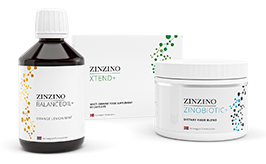
Auswählen

Afghanistan
Albania
Algeria
American Samoa
Andorra
Angola
Anguilla
Antarctica
Antigua And Barbuda
Argentina
Armenia
Aruba
Australia
Austria
Azerbaijan
Bahamas
Bahrain
Bangladesh
Barbados
Belarus
Belgium
Belize
Benin
Bermuda
Bhutan
Bolivia
Bosnia And Herzegovina
Botswana
Brazil
Brunei Darussalam
Bulgaria
Burkina Faso
Burundi
Cambodia
Cameroon
Canada
Cape Verde
Cayman Islands
Central African Republic
Chad
Chile
China
Christmas Island
Cocos (Keeling) Islands
Colombia
Comoros
Congo
Congo, The Democratic Republic Of The
Cook Islands
Costa Rica
Croatia
Cuba
Curaçao
Cyprus
Czech Republic
Denmark
Djibouti
Dominica
Dominican Republic
Ecuador
Egypt
El Salvador
Equatorial Guinea
Eritrea
Estonia
Ethiopia
Falkland Islands (Malvinas)
Faroe Islands
Fiji
Finland
France
French Polynesia
Gabon
Gambia
Georgia
Germany
Ghana
Gibraltar
Greece
Greenland
Grenada
Guam
Guatemala
Guinea
Guinea-Bissau
Guyana
Haiti
Holy See (Vatican City State)
Honduras
Hong Kong
Hungary
Iceland
India
Indonesia
Iran, Islamic Republic Of
Iraq
Ireland
Isle of Man
Israel
Italy
Ivory Coast
Jamaica
Japan
Jordan
Kazakhstan
Kenya
Kiribati
Korea, Republic Of
Kosovo
Kuwait
Kyrgyzstan
Latvia
Lebanon
Lesotho
Liberia
Libyan Arab Jamahiriya
Liechtenstein
Lithuania
Luxembourg
Macao
Macedonia, The Former Yugoslav Republic Of
Madagascar
Malawi
Malaysia
Maldives
Mali
Malta
Marshall Islands
Mauritania
Mauritius
Mayotte
Mexico
Micronesia, Federated States Of
Moldova, Republic Of
Monaco
Mongolia
Montenegro
Montserrat
Morocco
Mozambique
Myanmar
Namibia
Nauru
Nepal
Netherlands
Netherlands Antilles
New Caledonia
New Zealand
Nicaragua
Niger
Nigeria
Niue
Northern Mariana Islands
Norway
Oman
Pakistan
Palau
Panama
Papua New Guinea
Paraguay
Peru
Philippines
Pitcairn
Poland
Portugal
Puerto Rico
Qatar
Romania
Russian Federation
Rwanda
Saint Helena
Saint Kitts And Nevis
Saint Lucia
Saint Pierre And Miquelon
Saint Vincent And The Grenadines
Samoa
San Marino
Sao Tome And Principe
Saudi Arabia
Senegal
Serbia
Seychelles
Sierra Leone
Singapore
Slovakia
Slovenia
Solomon Islands
Somalia
South Africa
Spain
Sri Lanka
Sudan
Suriname
Swaziland
Sweden
Switzerland
Syrian Arab Republic
Taiwan
Tajikistan
Tanzania, United Republic Of
Thailand
Timor-Leste
Togo
Tokelau
Tonga
Trinidad And Tobago
Tunisia
Turkey
Turkmenistan
Turks And Caicos Islands
Tuvalu
Uganda
Ukraine
United Arab Emirates
United Kingdom
United States
Uruguay
Uzbekistan
Vanuatu
Venezuela
Viet Nam
Virgin Islands, British
Virgin Islands, U.S.
Wallis And Futuna
Yemen
Zambia
Zimbabwe
Zurück Zurück
 Zurück
Zurück
Zurück
Zurück
Zurück
Zurück
Zurück
Zurück
Zurück
Zurück
Zurück

Datum:
Land:
Geschlecht:
Zurück
Zurück
Datum:
Land:
Geschlecht:
Zurück
Zurück
Zurück
Zurück
Zurück
Zurück
Zurück
Zurück
Zurück
Zurück
Zurück
Zurück
Zurück
Zurück
Zurück
Zurück
Zurück
E-Mail-Adresse
Telefonnummer
 Zurück

-
-
-
-
-
-
-
-
-
BalanceTest
-
Vitamin D Test
-
-
-
-
-
-
-
-
-
-
-
-
-
-
-

Es tut uns furchtbar leid!
Ihr Formular wurde bereits gesendet.
Wenden Sie sich mit zusätzlichen Fragen bitte an den Kundendienst
Customer support
Ihre Probe enthielt zu wenig Blut
Ihre Probe war nicht im Umschlag

 zinzino.com

Geben Sie Ihre Test-ID ein

 id:
id:
Land:
Geschlecht:
Alter:
BalanceOil:
Andere Omega-3:
BalanceOil AquaX:
BalanceOil Vegan:
Essent:


