Cambiar la ID de la prueba

Cambiar la ID de la prueba
Cambiar la ID de la prueba
Cambiar la ID de la prueba
Loading...

Comencemos.

Omitir
Su resultado es:
Su


Tenemos más información que mostrarle.
Omitir
¿Seguro?
Paso 1 de 5
¿De qué país es?
Seleccionar

Afganistán
Albania
Alemania
Andorra
Angola
Anguila
Antártida
Antigua y Barbuda
Antillas Holandesas
Arabia Saudita
Argelia
Argentina
Armenia
Aruba
Australia
Austria
Azerbaiyán
Bahamas
Bangladesh
Barbados
Baréin
Bélgica
Belice
Benín
Bermudas
Bielorrusia
Birmania
Bolivia
Bosnia y Herzegovina
Botsuana
Brasil
Brunéi
Bulgaria
Burkina Faso
Burundi
Bután
Cabo Verde
Camboya
Camerún
Canadá
Catar
Chad
Chile
China
Chipre
Ciudad del Vaticano
Colombia
Comoras
Congo
Corea del Sur
Costa Rica
Croacia
Cuba
Curazao
Dinamarca
Dominica
Ecuador
Egipto
El Salvador
Emiratos Árabes Unidos
Eritrea
Eslovaquia
Eslovenia
España
Estados Federados de Micronesia
Estados Unidos
Estonia
Etiopía
Filipinas
Finlandia
Fiyi
Francia
Gabón
Gambia
Georgia
Ghana
Gibraltar
Granada
Grecia
Groenlandia
Guam
Guatemala
Guinea
Guinea Ecuatorial
Guinea-Bisáu
Guyana
Haití
Honduras
Hong Kong
Hungría
India
Indonesia
Irán
Iraq
Irlanda
Isla de Man
Isla de Navidad
Islandia
Islas Caimán
Islas Cocos (Keeling)
Islas Cook
Islas Feroe
Islas Malvinas
Islas Marianas del Norte
Islas Marshall
Islas Pitcairn
Islas Salomón
Islas Turcas y Caicos
Islas Vírgenes Británicas
Islas Vírgenes de los Estados Unidos
Israel
Italia
Ivory Coast
Jamaica
Japón
Jordania
Kazajistán
Kenia
Kirguistán
Kiribati
Kosovo
Kuwait
Lesoto
Letonia
Líbano
Liberia
Libia
Liechtenstein
Lituania
Luxemburgo
Macao
Madagascar
Malasia
Malaui
Maldivas
Mali
Malta
Marruecos
Mauricio
Mauritania
Mayotte
México
Mónaco
Mongolia
Montenegro
Montserrat
Mozambique
Namibia
Nauru
Nepal
Nicaragua
Níger
Nigeria
Niue
Noruega
Nueva Caledonia
Nueva Zelanda
Omán
Países Bajos
Pakistán
Palaos
Panamá
Papúa Nueva Guinea
Paraguay
Perú
Polinesia Francesa
Polonia
Portugal
Puerto Rico
Reino Unido
República Centroafricana
República Checa
República de Macedonia del Norte
República de Moldavia
República Democrática del Congo
República Dominicana
Ruanda
Rumanía
Rusia
Samoa
Samoa Americana
San Cristóbal y Nieves
San Marino
San Pedro y Miquelón
San Vicente y las Granadinas
Santa Elena
Santa Lucía
Santo Tomé y Príncipe
Senegal
Serbia
Seychelles
Sierra Leona
Singapur
Siria
Somalia
Sri Lanka
Suazilandia
Sudáfrica
Sudán
Suecia
Suiza
Surinam
Tailandia
Taiwán
Tanzania
Tayikistán
Timor Oriental
Togo
Tokelau
Tonga
Trinidad y Tobago
Túnez
Turkmenistán
Turquía
Tuvalu
Ucrania
Uganda
Uruguay
Uzbekistán
Vanuatu
Venezuela
Vietnam
Wallis y Futuna
Yemen
Yibuti
Zambia
Zimbabue
Volver
Siguiente 
Paso 2 de 5
Introduzca su edad, peso y altura
 Tenga en cuenta que indicar la edad correcta es importante para recibir los resultados correctos. Los niños tienen diferentes referencias respecto a los adultos.Volver
Siguiente
Paso 3 de 5
Seleccione su sexo
Mujer
Hombre
Otros
Volver
Siguiente
Paso 3 a de 7
Are you currently pregnant or exclusively breastfeeding?
No
Yes, pregnant
Yes, exclusively breastfeeding
Prefer not to say
 Volver
Siguiente 
Paso 3 b de 7
What month of pregnancy are you in?
1-3 months
4-6 months
7-9 months
Volver
Siguiente
Paso 4 de 5
¿Ha tomado algún suplemento de omega-3 recientemente?
No
Sí, por un corto periodo de tiempo
Sí, durante más de 120 días
Volver
Siguiente
Paso 5 de 7
¿Qué opción le describe mejor?
Volver
Siguiente
Paso 6 de 8
Join Our Groundbreaking Test-Based Nutrition Study!
Yes, I consent
No, I do not consent
Volver
Siguiente
Paso 5a de 8
Thank you for your interest and for playing a vital role in advancing nutrition research!
Have you been taking Xtend or Xtend+, according to the recommended dose (at least 2 tablets per day), for at least the past 2 weeks?
Yes
No
Volver
Siguiente
Paso 5b de 8
Have you been taking Zinobiotic+ according to the recommended dosage (2 scoops per day) for at least the past 2 weeks?
Yes
No
Volver
Siguiente
Paso 5C de 8
How would you describe your BalanceOil+ consumption over the past 120 days?
I take the recommended amount (0.15 ml per kg of body weight) or more, 5-7 days a week
I take less than the recommended amount, or take it less frequently than 5 days a week
I don’t take BalanceOil+
Volver
Siguiente
Paso 5D de 8
Over the next 30 days, do you plan to maintain the same consumption pattern for your Zinzino Health Protocol products as you reported above? (For example, if you currently do not use a product, select 'Yes' if you plan to continue not using it.)"
Yes, I will continue as reported.
No, I plan to change my current pattern.
Unsure
Volver
Siguiente
Paso 5E de 8
Have you taken antibiotics in the past month?
Yes
No
Volver
Siguiente
Paso 5F de 8
Have you taken laxatives in the past month?
Yes
No
Volver
Siguiente
Paso 5G de 8
Please provide your email and address below so we can contact you and send out test-kits if you are selected for the study.
Volver
Siguiente
Paso 5 de 5
Protegemos su privacidad
Paso 4b de 5
¿Qué tipo de suplemento de omega-3 ha tomado?
BalanceOil
Essent (cápsulas de gel suave)
BalanceOil Vegan
BalanceOil AquaX
Otros suplementos de omega-3
Volver
Siguiente
Comencemos.
Omitir
 En absoluto. Si no quiere responder a las preguntas antes de obtener el resultado, puede optar por saltarse este paso.
¿Seguro?
Paso 1 de 6
¿De qué país es?
Seleccionar

Afganistán
Albania
Alemania
Andorra
Angola
Anguila
Antártida
Antigua y Barbuda
Antillas Holandesas
Arabia Saudita
Argelia
Argentina
Armenia
Aruba
Australia
Austria
Azerbaiyán
Bahamas
Bangladesh
Barbados
Baréin
Bélgica
Belice
Benín
Bermudas
Bielorrusia
Birmania
Bolivia
Bosnia y Herzegovina
Botsuana
Brasil
Brunéi
Bulgaria
Burkina Faso
Burundi
Bután
Cabo Verde
Camboya
Camerún
Canadá
Catar
Chad
Chile
China
Chipre
Ciudad del Vaticano
Colombia
Comoras
Congo
Corea del Sur
Costa Rica
Croacia
Cuba
Curazao
Dinamarca
Dominica
Ecuador
Egipto
El Salvador
Emiratos Árabes Unidos
Eritrea
Eslovaquia
Eslovenia
España
Estados Federados de Micronesia
Estados Unidos
Estonia
Etiopía
Filipinas
Finlandia
Fiyi
Francia
Gabón
Gambia
Georgia
Ghana
Gibraltar
Granada
Grecia
Groenlandia
Guam
Guatemala
Guinea
Guinea Ecuatorial
Guinea-Bisáu
Guyana
Haití
Honduras
Hong Kong
Hungría
India
Indonesia
Irán
Iraq
Irlanda
Isla de Man
Isla de Navidad
Islandia
Islas Caimán
Islas Cocos (Keeling)
Islas Cook
Islas Feroe
Islas Malvinas
Islas Marianas del Norte
Islas Marshall
Islas Pitcairn
Islas Salomón
Islas Turcas y Caicos
Islas Vírgenes Británicas
Islas Vírgenes de los Estados Unidos
Israel
Italia
Ivory Coast
Jamaica
Japón
Jordania
Kazajistán
Kenia
Kirguistán
Kiribati
Kosovo
Kuwait
Lesoto
Letonia
Líbano
Liberia
Libia
Liechtenstein
Lituania
Luxemburgo
Macao
Madagascar
Malasia
Malaui
Maldivas
Mali
Malta
Marruecos
Mauricio
Mauritania
Mayotte
México
Mónaco
Mongolia
Montenegro
Montserrat
Mozambique
Namibia
Nauru
Nepal
Nicaragua
Níger
Nigeria
Niue
Noruega
Nueva Caledonia
Nueva Zelanda
Omán
Países Bajos
Pakistán
Palaos
Panamá
Papúa Nueva Guinea
Paraguay
Perú
Polinesia Francesa
Polonia
Portugal
Puerto Rico
Reino Unido
República Centroafricana
República Checa
República de Macedonia del Norte
República de Moldavia
República Democrática del Congo
República Dominicana
Ruanda
Rumanía
Rusia
Samoa
Samoa Americana
San Cristóbal y Nieves
San Marino
San Pedro y Miquelón
San Vicente y las Granadinas
Santa Elena
Santa Lucía
Santo Tomé y Príncipe
Senegal
Serbia
Seychelles
Sierra Leona
Singapur
Siria
Somalia
Sri Lanka
Suazilandia
Sudáfrica
Sudán
Suecia
Suiza
Surinam
Tailandia
Taiwán
Tanzania
Tayikistán
Timor Oriental
Togo
Tokelau
Tonga
Trinidad y Tobago
Túnez
Turkmenistán
Turquía
Tuvalu
Ucrania
Uganda
Uruguay
Uzbekistán
Vanuatu
Venezuela
Vietnam
Wallis y Futuna
Yemen
Yibuti
Zambia
Zimbabue
Volver
Siguiente
Paso 2 de 6
Introduzca su edad, peso y altura
Tenga en cuenta que indicar la edad correcta es importante para recibir los resultados correctos. Los niños tienen diferentes referencias respecto a los adultos.Volver
Siguiente
Paso 3 de 6
Seleccione su sexo
Mujer
Hombre
Otros
Volver
Siguiente
Paso 3 a de 6
Are you currently pregnant or exclusively breastfeeding?
No
Yes, pregnant
Yes, exclusively breastfeeding
Prefer not to say
Volver
Siguiente
Paso 3 b de 6
What month of pregnancy are you in?
1-3 months
4-6 months
7-9 months
Volver
Siguiente
Paso 4 de 6
¿Ha tomado algún suplemento de omega-3 recientemente?
No
Sí, por un corto periodo de tiempo
Sí, durante más de 120 días
Volver
Siguiente
Paso 5 de 6
¿Qué opción le describe mejor?
Volver
Siguiente
Paso 6 de 6
Join Our Groundbreaking Test-Based Nutrition Study!
Yes, I consent
No, I do not consent
Volver
Siguiente
Paso 5a de 6
Thank you for your interest and for playing a vital role in advancing nutrition research!
Have you been taking Xtend or Xtend+, according to the recommended dose (at least 2 tablets per day), for at least the past 2 weeks?
Yes
No
Volver
Siguiente
Paso 5b de 6
Have you been taking Zinobiotic+ according to the recommended dosage (2 scoops per day) for at least the past 2 weeks?
Yes
No
Volver
Siguiente
Paso 5C de 6
How would you describe your BalanceOil+ consumption over the past 120 days?
I take the recommended amount (0.15 ml per kg of body weight) or more, 5-7 days a week
I take less than the recommended amount, or take it less frequently than 5 days a week
I don’t take BalanceOil+
Volver
Siguiente
Paso 5D de 6
Over the next 30 days, do you plan to maintain the same consumption pattern for your Zinzino Health Protocol products as you reported above? (For example, if you currently do not use a product, select 'Yes' if you plan to continue not using it.)"
Yes, I will continue as reported.
No, I plan to change my current pattern.
Unsure
Volver
Siguiente
Paso 5E de 6
Have you taken antibiotics in the past month?
Yes
No
Volver
Siguiente
Paso 5F de 6
Have you taken laxatives in the past month?
Yes
No
Volver
Siguiente
Paso 5G de 6
Please provide your email and address below so we can contact you and send out test-kits if you are selected for the study.
Volver
Siguiente
Paso 6 de 6
¿Quiere recibir una notificación cuando su prueba esté lista?
Volver
Siguiente
Paso 7 de 6
Protegemos su privacidad
Paso 6b de 6
Active las notificaciones
Omitir
+ Añadir
Número de teléfono
+ Añadir
Volver
Siguiente
Paso 4 a de 6
¿Qué tipo de suplemento de omega-3 ha tomado?
BalanceOil Vegan
BalanceOil+ Premium
BalanceOil AquaX
BalanceOil
Essent (cápsulas de gel suave)
Otros suplementos de omega-3
Volver
Siguiente
Los resultados de su prueba aún no están disponibles.
Gracias por sus respuestas.
Lo sentimos mucho.
Su formulario ya se ha enviado.
Si tiene más preguntas póngase en contacto con el servicio de atención al cliente.
Customer support
Su muestra no contenía suficiente sangre.
El sobre de la prueba estaba vacío.
Comencemos.
Your test is ready
¿Seguro?
¿De qué país es?
Select country

Afganistán
Albania
Alemania
Andorra
Angola
Anguila
Antártida
Antigua y Barbuda
Antillas Holandesas
Arabia Saudita
Argelia
Argentina
Armenia
Aruba
Australia
Austria
Azerbaiyán
Bahamas
Bangladesh
Barbados
Baréin
Bélgica
Belice
Benín
Bermudas
Bielorrusia
Birmania
Bolivia
Bosnia y Herzegovina
Botsuana
Brasil
Brunéi
Bulgaria
Burkina Faso
Burundi
Bután
Cabo Verde
Camboya
Camerún
Canadá
Catar
Chad
Chile
China
Chipre
Ciudad del Vaticano
Colombia
Comoras
Congo
Corea del Sur
Costa Rica
Croacia
Cuba
Curazao
Dinamarca
Dominica
Ecuador
Egipto
El Salvador
Emiratos Árabes Unidos
Eritrea
Eslovaquia
Eslovenia
España
Estados Federados de Micronesia
Estados Unidos
Estonia
Etiopía
Filipinas
Finlandia
Fiyi
Francia
Gabón
Gambia
Georgia
Ghana
Gibraltar
Granada
Grecia
Groenlandia
Guam
Guatemala
Guinea
Guinea Ecuatorial
Guinea-Bisáu
Guyana
Haití
Honduras
Hong Kong
Hungría
India
Indonesia
Irán
Iraq
Irlanda
Isla de Man
Isla de Navidad
Islandia
Islas Caimán
Islas Cocos (Keeling)
Islas Cook
Islas Feroe
Islas Malvinas
Islas Marianas del Norte
Islas Marshall
Islas Pitcairn
Islas Salomón
Islas Turcas y Caicos
Islas Vírgenes Británicas
Islas Vírgenes de los Estados Unidos
Israel
Italia
Ivory Coast
Jamaica
Japón
Jordania
Kazajistán
Kenia
Kirguistán
Kiribati
Kosovo
Kuwait
Lesoto
Letonia
Líbano
Liberia
Libia
Liechtenstein
Lituania
Luxemburgo
Macao
Madagascar
Malasia
Malaui
Maldivas
Mali
Malta
Marruecos
Mauricio
Mauritania
Mayotte
México
Mónaco
Mongolia
Montenegro
Montserrat
Mozambique
Namibia
Nauru
Nepal
Nicaragua
Níger
Nigeria
Niue
Noruega
Nueva Caledonia
Nueva Zelanda
Omán
Países Bajos
Pakistán
Palaos
Panamá
Papúa Nueva Guinea
Paraguay
Perú
Polinesia Francesa
Polonia
Portugal
Puerto Rico
Reino Unido
República Centroafricana
República Checa
República de Macedonia del Norte
República de Moldavia
República Democrática del Congo
República Dominicana
Ruanda
Rumanía
Rusia
Samoa
Samoa Americana
San Cristóbal y Nieves
San Marino
San Pedro y Miquelón
San Vicente y las Granadinas
Santa Elena
Santa Lucía
Santo Tomé y Príncipe
Senegal
Serbia
Seychelles
Sierra Leona
Singapur
Siria
Somalia
Sri Lanka
Suazilandia
Sudáfrica
Sudán
Suecia
Suiza
Surinam
Tailandia
Taiwán
Tanzania
Tayikistán
Timor Oriental
Togo
Tokelau
Tonga
Trinidad y Tobago
Túnez
Turkmenistán
Turquía
Tuvalu
Ucrania
Uganda
Uruguay
Uzbekistán
Vanuatu
Venezuela
Vietnam
Wallis y Futuna
Yemen
Yibuti
Zambia
Zimbabue
 Previous
Siguiente 
Fill in your details
Previous
Siguiente
Sex at birth
Mujer
Hombre
Otros
Previous
Siguiente
Are you currently taking any Zinzino products?
Sí
No
Previous
Siguiente
Select which products you use and how many days per week you take them
Zinobiotic+
0
7
BalanceOil product
0
7
Xtend/Xtend+
0
7
R.E.V.O.O Olive Oil
0
7
X Gold
0
7
Other gut-supporting product (e.g. pre-/probiotics, digestive enzymes)
0
7
Previous
Siguiente
For how many months have you been taking them?
Zinobiotic+
0
12+
BalanceOil product
0
12+
Xtend/Xtend+
0
12+
R.E.V.O.O Olive Oil
0
12+
X Gold
0
12+
Other gut-supporting product (e.g. pre-/probiotics, digestive enzymes)
0
12+
Previous
Siguiente
We need your help
How many servings of fiber-rich foods (e.g., whole grains, legumes, fruits, vegetables) do you consume per day?
0-1 servings
2-3 servings
4+ servings
Previous
Siguiente
How often do you consume fermented foods (e.g., yoghurt, kefir, sauerkraut, kimchi with live cultures)?
Daily
Several times per week
Occassionally
Rarely/never
Previous
Siguiente
What dietary pattern do you follow most of the time?
Omnivorous (eat both plant and animal foods).
Vegetarian (no meat, but may eat eggs/dairy).
Vegan (no animal products at all).
Vegan (no animal products at all).
LCHF / Keto (high fat, high protein, low carb)
Carnivore (only animal-based foods)
Pescatarian (no meat except fish/seafood).
Previous
Siguiente
How often do you engage in physical activity (moderate or intense exercise)?
Daily
Several times per week
Occasionally
Rarely/Never
Previous
Siguiente
How many hours of sleep do you typically get per night?
< 5 hours
5-6 hours
7-8 hours
> 8 hours
Previous
Siguiente
How would you describe your current stress level?
Felt unable to control important things
Never
Very often
Felt confident about handling personal problems
Never
Very often
Felt things were going your way
Never
Very often
Felt difficulties piling up beyond control
Never
Very often
Previous
Siguiente
Have you had a common cold/flu in the past 14 days?
Yes
No
Previous
Siguiente
Have you had a diagnosed infection in the past month?
Yes
No
Previous
Siguiente
When did you finish your last antibiotic course?
< 14 days
15-30 days
1-3 month
> 3 months
Never taken antibiotics
Previous
Siguiente
Do you have any diagnosed chronic condition(s)?
 Previous
Siguiente
Do you have any current digestive issues?
Previous
Siguiente
Are you currently pregnant?
Yes
No
Prefer not to say
Previous
Siguiente
Notification
Activate notification (optional)
 Want to be notified on mobile?Previous
Siguiente
We care about your data
Thank you for your answers!
Los resultados de su prueba aún no están disponibles.
Gracias por sus respuestas.
Lo sentimos mucho.
Su formulario ya se ha enviado.
Si tiene más preguntas póngase en contacto con el servicio de atención al cliente.
Customer support
Su muestra no contenía suficiente sangre.
El sobre de la prueba estaba vacío.
Comencemos.
Omitir
En absoluto. Si no quiere responder a las preguntas antes de obtener el resultado de su estado de vitamina D, puede optar por saltarse este paso.
¿Seguro?
Paso 1 de 7
¿De qué país es?
Seleccionar
Afghanistan
Albania
Algeria
American Samoa
Andorra
Angola
Anguilla
Antarctica
Antigua And Barbuda
Argentina
Armenia
Aruba
Australia
Austria
Azerbaijan
Bahamas
Bahrain
Bangladesh
Barbados
Belarus
Belgium
Belize
Benin
Bermuda
Bhutan
Bolivia
Bosnia And Herzegovina
Botswana
Brazil
Brunei Darussalam
Bulgaria
Burkina Faso
Burundi
Cambodia
Cameroon
Canada
Cape Verde
Cayman Islands
Central African Republic
Chad
Chile
China
Christmas Island
Cocos (Keeling) Islands
Colombia
Comoros
Congo
Congo, The Democratic Republic Of The
Cook Islands
Costa Rica
Croatia
Cuba
Curaçao
Cyprus
Czech Republic
Denmark
Djibouti
Dominica
Dominican Republic
Ecuador
Egypt
El Salvador
Equatorial Guinea
Eritrea
Estonia
Ethiopia
Falkland Islands (Malvinas)
Faroe Islands
Fiji
Finland
France
French Polynesia
Gabon
Gambia
Georgia
Germany
Ghana
Gibraltar
Greece
Greenland
Grenada
Guam
Guatemala
Guinea
Guinea-Bissau
Guyana
Haiti
Holy See (Vatican City State)
Honduras
Hong Kong
Hungary
Iceland
India
Indonesia
Iran, Islamic Republic Of
Iraq
Ireland
Isle of Man
Israel
Italy
Ivory Coast
Jamaica
Japan
Jordan
Kazakhstan
Kenya
Kiribati
Korea, Republic Of
Kosovo
Kuwait
Kyrgyzstan
Latvia
Lebanon
Lesotho
Liberia
Libyan Arab Jamahiriya
Liechtenstein
Lithuania
Luxembourg
Macao
Macedonia, The Former Yugoslav Republic Of
Madagascar
Malawi
Malaysia
Maldives
Mali
Malta
Marshall Islands
Mauritania
Mauritius
Mayotte
Mexico
Micronesia, Federated States Of
Moldova, Republic Of
Monaco
Mongolia
Montenegro
Montserrat
Morocco
Mozambique
Myanmar
Namibia
Nauru
Nepal
Netherlands
Netherlands Antilles
New Caledonia
New Zealand
Nicaragua
Niger
Nigeria
Niue
Northern Mariana Islands
Norway
Oman
Pakistan
Palau
Panama
Papua New Guinea
Paraguay
Peru
Philippines
Pitcairn
Poland
Portugal
Puerto Rico
Qatar
Romania
Russian Federation
Rwanda
Saint Helena
Saint Kitts And Nevis
Saint Lucia
Saint Pierre And Miquelon
Saint Vincent And The Grenadines
Samoa
San Marino
Sao Tome And Principe
Saudi Arabia
Senegal
Serbia
Seychelles
Sierra Leone
Singapore
Slovakia
Slovenia
Solomon Islands
Somalia
South Africa
Spain
Sri Lanka
Sudan
Suriname
Swaziland
Sweden
Switzerland
Syrian Arab Republic
Taiwan
Tajikistan
Tanzania, United Republic Of
Thailand
Timor-Leste
Togo
Tokelau
Tonga
Trinidad And Tobago
Tunisia
Turkey
Turkmenistan
Turks And Caicos Islands
Tuvalu
Uganda
Ukraine
United Arab Emirates
United Kingdom
United States
Uruguay
Uzbekistan
Vanuatu
Venezuela
Viet Nam
Virgin Islands, British
Virgin Islands, U.S.
Wallis And Futuna
Yemen
Zambia
Zimbabwe
Volver
Siguiente
Paso 2 de 7
Introduzca su edad, peso y altura
Volver
Siguiente
Paso 3 de 7
Seleccione su sexo
Mujer
Hombre
Otros
Volver
Siguiente
Paso 4 de 7
¿Ha consumido algún suplemento que contenga vitamina D recientemente?
Sí
No
Volver
Siguiente
Paso 5 de 7
¿Qué opción le describe mejor?
Volver
Siguiente
Paso 6 de 7
¿Se ha hecho la prueba Vitamin D Test de Zinzino alguna vez?
Sí
No
Volver
Siguiente
Queremos su ayuda
Sí, quiero participar
No, gracias
Volver
Siguiente
Paso 6 de 7
¿Quiere recibir una notificación cuando su prueba esté lista?
Volver
Siguiente
Paso 1 de 3
Por favor, introduzca su identificador del Vitamin D Test
The code is not correct, please try again.
nmol/L
Fecha:
País:
Sexo:
Volver
Siguiente
Paso 2 de 3
Indique si hizo algún cambio en la dosis diaria desde su prueba anterior.
Fill in your increase or decrease of Vitamin D supplements
ZinoShine+ (comprimidos)
-
+
Xtend/Xtend+ (comprimidos)
-
+
BalanceOil+ Vegan y AquaX (ml)
-
+
Protect+ (cápsulas)
-
+
Essent+ (cápsulas de gel suave) (cápsulas)
-
+
De otro proveedor (mcg)
-
+
Volver
Siguiente
Paso 3 de 3
¿Con qué frecuencia tomó los suplementos?
ZinoShine+
días por semana
0
7
Xtend/Xtend+
días por semana
0
7
BalanceOil+ Vegan y AquaX
días por semana
0
7
Protect+
días por semana
0
7
Essent (cápsulas de gel suave)
días por semana
0
7
Another supplier
días por semana
0
7
Volver
Siguiente
Paso 7 de 7
Protegemos su privacidad
Paso 6b de 7
Active las notificaciones
Omitir
Dirección de correo electrónico


Número de teléfono
Volver
Siguiente
Paso 5 de 6
Productos seleccionados
| ZinoShine+ |
0
|
veces por semana |
| Xtend/Xtend+ |
0
|
veces por semana |
| BalanceOil+ Vegan y AquaX |
0
|
veces por semana |
| Protect+ |
0
|
veces por semana |
| Essent+ (cápsulas de gel suave) |
0
|
veces por semana |
| De otro proveedor - veces por semana |
0
|
veces por semana |
Volver
Siguiente
Su resultado es:
Su nivel de vitamina D
Tenemos más información que mostrarle.
Omitir
Los resultados de su prueba aún no están disponibles.
Gracias por sus respuestas.
Comencemos.
Omitir
En absoluto. Si no quiere responder a las preguntas antes de obtener el resultado de su estado de vitamina D, puede optar por saltarse este paso.
¿Seguro?
Paso 1 de 7
¿De qué país es?
Seleccionar
Afghanistan
Albania
Algeria
American Samoa
Andorra
Angola
Anguilla
Antarctica
Antigua And Barbuda
Argentina
Armenia
Aruba
Australia
Austria
Azerbaijan
Bahamas
Bahrain
Bangladesh
Barbados
Belarus
Belgium
Belize
Benin
Bermuda
Bhutan
Bolivia
Bosnia And Herzegovina
Botswana
Brazil
Brunei Darussalam
Bulgaria
Burkina Faso
Burundi
Cambodia
Cameroon
Canada
Cape Verde
Cayman Islands
Central African Republic
Chad
Chile
China
Christmas Island
Cocos (Keeling) Islands
Colombia
Comoros
Congo
Congo, The Democratic Republic Of The
Cook Islands
Costa Rica
Croatia
Cuba
Curaçao
Cyprus
Czech Republic
Denmark
Djibouti
Dominica
Dominican Republic
Ecuador
Egypt
El Salvador
Equatorial Guinea
Eritrea
Estonia
Ethiopia
Falkland Islands (Malvinas)
Faroe Islands
Fiji
Finland
France
French Polynesia
Gabon
Gambia
Georgia
Germany
Ghana
Gibraltar
Greece
Greenland
Grenada
Guam
Guatemala
Guinea
Guinea-Bissau
Guyana
Haiti
Holy See (Vatican City State)
Honduras
Hong Kong
Hungary
Iceland
India
Indonesia
Iran, Islamic Republic Of
Iraq
Ireland
Isle of Man
Israel
Italy
Ivory Coast
Jamaica
Japan
Jordan
Kazakhstan
Kenya
Kiribati
Korea, Republic Of
Kosovo
Kuwait
Kyrgyzstan
Latvia
Lebanon
Lesotho
Liberia
Libyan Arab Jamahiriya
Liechtenstein
Lithuania
Luxembourg
Macao
Macedonia, The Former Yugoslav Republic Of
Madagascar
Malawi
Malaysia
Maldives
Mali
Malta
Marshall Islands
Mauritania
Mauritius
Mayotte
Mexico
Micronesia, Federated States Of
Moldova, Republic Of
Monaco
Mongolia
Montenegro
Montserrat
Morocco
Mozambique
Myanmar
Namibia
Nauru
Nepal
Netherlands
Netherlands Antilles
New Caledonia
New Zealand
Nicaragua
Niger
Nigeria
Niue
Northern Mariana Islands
Norway
Oman
Pakistan
Palau
Panama
Papua New Guinea
Paraguay
Peru
Philippines
Pitcairn
Poland
Portugal
Puerto Rico
Qatar
Romania
Russian Federation
Rwanda
Saint Helena
Saint Kitts And Nevis
Saint Lucia
Saint Pierre And Miquelon
Saint Vincent And The Grenadines
Samoa
San Marino
Sao Tome And Principe
Saudi Arabia
Senegal
Serbia
Seychelles
Sierra Leone
Singapore
Slovakia
Slovenia
Solomon Islands
Somalia
South Africa
Spain
Sri Lanka
Sudan
Suriname
Swaziland
Sweden
Switzerland
Syrian Arab Republic
Taiwan
Tajikistan
Tanzania, United Republic Of
Thailand
Timor-Leste
Togo
Tokelau
Tonga
Trinidad And Tobago
Tunisia
Turkey
Turkmenistan
Turks And Caicos Islands
Tuvalu
Uganda
Ukraine
United Arab Emirates
United Kingdom
United States
Uruguay
Uzbekistan
Vanuatu
Venezuela
Viet Nam
Virgin Islands, British
Virgin Islands, U.S.
Wallis And Futuna
Yemen
Zambia
Zimbabwe
Volver
Siguiente
Paso 2 de 7
Introduzca su edad, peso y altura
Volver
Siguiente
Paso 3 de 7
Seleccione su sexo
Mujer
Hombre
Otros
Volver
Siguiente
Paso 4 de 7
¿Ha consumido algún suplemento que contenga vitamina D recientemente?
Sí
No
Volver
Siguiente
Paso 5 de 7
¿Qué opción le describe mejor?
Volver
Siguiente
Paso 6 de 7
¿Se ha hecho la prueba Vitamin D Test de Zinzino alguna vez?
Sí
No
Volver
Siguiente
Queremos su ayuda
Sí, quiero participar
No, gracias
Volver
Siguiente
Paso 6 de 7
¿Quiere recibir una notificación cuando su prueba esté lista?
Volver
Siguiente
Paso 1 de 3
Por favor, introduzca su identificador del Vitamin D Test
The code is not correct, please try again.
nmol/L
Fecha:
País:
Sexo:
Volver
Siguiente
Paso 2 de 3
Indique si hizo algún cambio en la dosis diaria desde su prueba anterior.
Fill in your increase or decrease of Vitamin D supplements
ZinoShine+ (comprimidos)
-
+
Xtend/Xtend+ (comprimidos)
-
+
BalanceOil+ Vegan y AquaX (ml)
-
+
Protect+ (cápsulas)
-
+
Essent+ (cápsulas de gel suave) (cápsulas)
-
+
De otro proveedor (mcg)
-
+
Volver
Siguiente
Paso 3 de 3
¿Con qué frecuencia tomó los suplementos?
ZinoShine+
días por semana
0
7
Xtend/Xtend+
días por semana
0
7
BalanceOil+ Vegan y AquaX
días por semana
0
7
Protect+
días por semana
0
7
Essent (cápsulas de gel suave)
días por semana
0
7
Another supplier
días por semana
0
7
Volver
Siguiente
Paso 7 de 7
Protegemos su privacidad
Paso 6b de 7
Active las notificaciones
Omitir
Dirección de correo electrónico
Número de teléfono
Volver
Siguiente
Paso 5 de 6
Productos seleccionados
| ZinoShine+ |
0
|
veces por semana |
| Xtend/Xtend+ |
0
|
veces por semana |
| BalanceOil+ Vegan y AquaX |
0
|
veces por semana |
| Protect+ |
0
|
veces por semana |
| Essent+ (cápsulas de gel suave) |
0
|
veces por semana |
| De otro proveedor - veces por semana |
0
|
veces por semana |
Volver
Siguiente
Su resultado es:
Su nivel de vitamina D
Tenemos más información que mostrarle.
Omitir
Los resultados de su prueba aún no están disponibles.
Gracias por sus respuestas.
Lo sentimos mucho.
Su formulario ya se ha enviado.
Si tiene más preguntas póngase en contacto con el servicio de atención al cliente.
Customer support
Su muestra no contenía suficiente sangre.
El sobre de la prueba estaba vacío.
Loading...


Muchas gracias. Hemos recibido sus respuestas
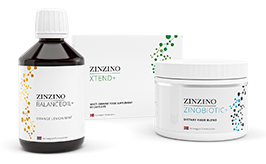
Seleccionar

Afghanistan
Albania
Algeria
American Samoa
Andorra
Angola
Anguilla
Antarctica
Antigua And Barbuda
Argentina
Armenia
Aruba
Australia
Austria
Azerbaijan
Bahamas
Bahrain
Bangladesh
Barbados
Belarus
Belgium
Belize
Benin
Bermuda
Bhutan
Bolivia
Bosnia And Herzegovina
Botswana
Brazil
Brunei Darussalam
Bulgaria
Burkina Faso
Burundi
Cambodia
Cameroon
Canada
Cape Verde
Cayman Islands
Central African Republic
Chad
Chile
China
Christmas Island
Cocos (Keeling) Islands
Colombia
Comoros
Congo
Congo, The Democratic Republic Of The
Cook Islands
Costa Rica
Croatia
Cuba
Curaçao
Cyprus
Czech Republic
Denmark
Djibouti
Dominica
Dominican Republic
Ecuador
Egypt
El Salvador
Equatorial Guinea
Eritrea
Estonia
Ethiopia
Falkland Islands (Malvinas)
Faroe Islands
Fiji
Finland
France
French Polynesia
Gabon
Gambia
Georgia
Germany
Ghana
Gibraltar
Greece
Greenland
Grenada
Guam
Guatemala
Guinea
Guinea-Bissau
Guyana
Haiti
Holy See (Vatican City State)
Honduras
Hong Kong
Hungary
Iceland
India
Indonesia
Iran, Islamic Republic Of
Iraq
Ireland
Isle of Man
Israel
Italy
Ivory Coast
Jamaica
Japan
Jordan
Kazakhstan
Kenya
Kiribati
Korea, Republic Of
Kosovo
Kuwait
Kyrgyzstan
Latvia
Lebanon
Lesotho
Liberia
Libyan Arab Jamahiriya
Liechtenstein
Lithuania
Luxembourg
Macao
Macedonia, The Former Yugoslav Republic Of
Madagascar
Malawi
Malaysia
Maldives
Mali
Malta
Marshall Islands
Mauritania
Mauritius
Mayotte
Mexico
Micronesia, Federated States Of
Moldova, Republic Of
Monaco
Mongolia
Montenegro
Montserrat
Morocco
Mozambique
Myanmar
Namibia
Nauru
Nepal
Netherlands
Netherlands Antilles
New Caledonia
New Zealand
Nicaragua
Niger
Nigeria
Niue
Northern Mariana Islands
Norway
Oman
Pakistan
Palau
Panama
Papua New Guinea
Paraguay
Peru
Philippines
Pitcairn
Poland
Portugal
Puerto Rico
Qatar
Romania
Russian Federation
Rwanda
Saint Helena
Saint Kitts And Nevis
Saint Lucia
Saint Pierre And Miquelon
Saint Vincent And The Grenadines
Samoa
San Marino
Sao Tome And Principe
Saudi Arabia
Senegal
Serbia
Seychelles
Sierra Leone
Singapore
Slovakia
Slovenia
Solomon Islands
Somalia
South Africa
Spain
Sri Lanka
Sudan
Suriname
Swaziland
Sweden
Switzerland
Syrian Arab Republic
Taiwan
Tajikistan
Tanzania, United Republic Of
Thailand
Timor-Leste
Togo
Tokelau
Tonga
Trinidad And Tobago
Tunisia
Turkey
Turkmenistan
Turks And Caicos Islands
Tuvalu
Uganda
Ukraine
United Arab Emirates
United Kingdom
United States
Uruguay
Uzbekistan
Vanuatu
Venezuela
Viet Nam
Virgin Islands, British
Virgin Islands, U.S.
Wallis And Futuna
Yemen
Zambia
Zimbabwe
Anterior Anterior
 Anterior
Anterior
Anterior
Anterior
Anterior
Anterior
Anterior
Anterior
Anterior
Anterior
Anterior

Fecha:
País:
Sexo:
Anterior
Anterior
Fecha:
País:
Sexo:
Anterior
Anterior
Anterior
Anterior
Anterior
Anterior
Anterior
Anterior
Anterior
Anterior
Anterior
Anterior
Anterior
Anterior
Anterior
Anterior
Anterior
Dirección de correo electrónico
Número de teléfono
 Anterior

-
-
-
-
-
-
-
-
-
BalanceTest de Zinzino
-
Vitamin D Test
-
-
-
-
-
-
-
-
-
-
-
-
-
-
-

Lo sentimos mucho.
Su formulario ya se ha enviado.
Si tiene más preguntas póngase en contacto con el servicio de atención al cliente.
Customer support
Su muestra no contenía suficiente sangre.
El sobre de la prueba estaba vacío.

 zinzino.com

Introduzca la ID de su prueba

 id:
id:
País:
Sexo:
Edad:
BalanceOil:
Otros omega-3:
BalanceOil AquaX:
BalanceOil Vegan:
Essent:

