


 zinzino.com



Optimize your vitamin D status

Sun exposure
The best part is that excessive sun exposure does not pose any risk of vitamin D toxicity. That's because your body regulates the amount of vitamin D produced by sunlight.

Many factors affect how much vitamin D a person can synthesize from sun exposure, such as season and latitude, skin cover-up, skin pigmentation, mature skin, air pollution etc. In fact, the many factors affecting vitamin D synthesis makes it impossible to specify a specific sun exposure guideline that applies to everyone. In the subsequent section, we provide more information on specific factors influencing your status.
Season and latitude
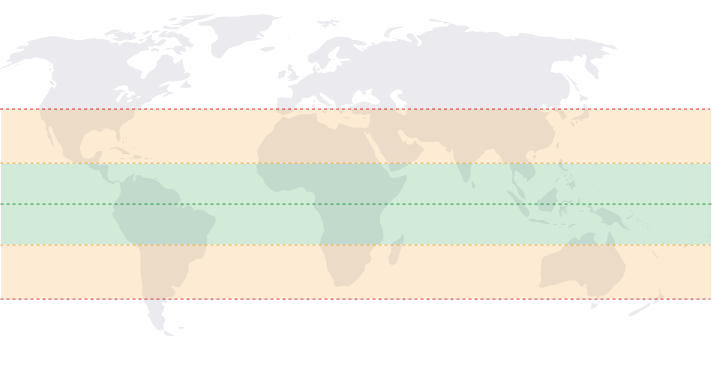
Especially important are the season and latitude of where you live (below a latitude of approximately 40° North, UVB radiation is sufficient for vitamin D3 synthesis all year round. At higher latitudes, vitamin D3 is not produced during the winter months. Then, increased vitamin D intake through diet is especially important.
Skin pigmentation
Darker skin filters out more UV radiation than light skin does, which means that darker skin requires more time in the sun but on the other hand is less sensitive to UV-induced damage.
Sunscreen
Vitamin D deficiency is not uncommon in tropical countries, sunny all year round. One of the reasons is excessive precautions and the use of sunscreen. If you use sunscreen spf 15, you need to be in the sun 8 times as long. Use the shadow rule – you make more vitamin D when you are taller than your shadow.
Another factor is that as you get older, it takes longer to create vitamin D. Obese people need more time in the sun.
Due to the fact that there are so many factors that affect vitamin D production in the skin, it is not possible to specify a specific time that applies to everyone. There are many apps and websites on the market that measure sun exposure based on your location, time of day, degree of clouds and air pollution, skin type etc.
Even if a short moment of direct sunlight is enough, many people do not get sufficient sun.
Then a dietary supplement could be necessary. Check your vitamin D status to be sure.
Diet
There are, however, a few foods that contain enough of vitamin D3.

Vitamin D content in 100 grams of the food source:
| Food | Amount vitamin D3 |
| Salmon | 10-16 µg |
| Sardines | 7 µg |
| Eggs | 3 µg |
| Cod | 1.3 µg |
| Portobello mushroom | 0.4 µg |
| Cow's milk | 0.08 µg |
| Breast milk | 0.01-0.12 µg |
In order to reach the recommended intake of vitamin D3 through diet alone, you would have to consume significant amounts of Vitamin D3-rich food sources every day. On days where you do not consume fish, reaching 10 μg vitamin D3 would require a consumption of 7-8 eggs, or 40 portobello mushrooms!